How Your HOA Enforces Landscape Maintenance Standards
2 May 2026
If you’ve ever lived in a community with a homeowners association (HOA), you know how important they consider curb appeal. You might even wonder, "Why is my HOA so picky about my yard?" Well, there's a method to their madness. Maintaining a uniform and attractive appearance in the neighborhood isn’t just about aesthetics—it’s about property value, community pride, and, let’s face it, keeping that nosy neighbor happy.
In this post, we’ll dive deep into how HOAs enforce landscape maintenance standards, why they care so much, and what you can do to stay on their good side. Spoiler: It’s not about planting the fanciest flowers; it’s about following the rules. 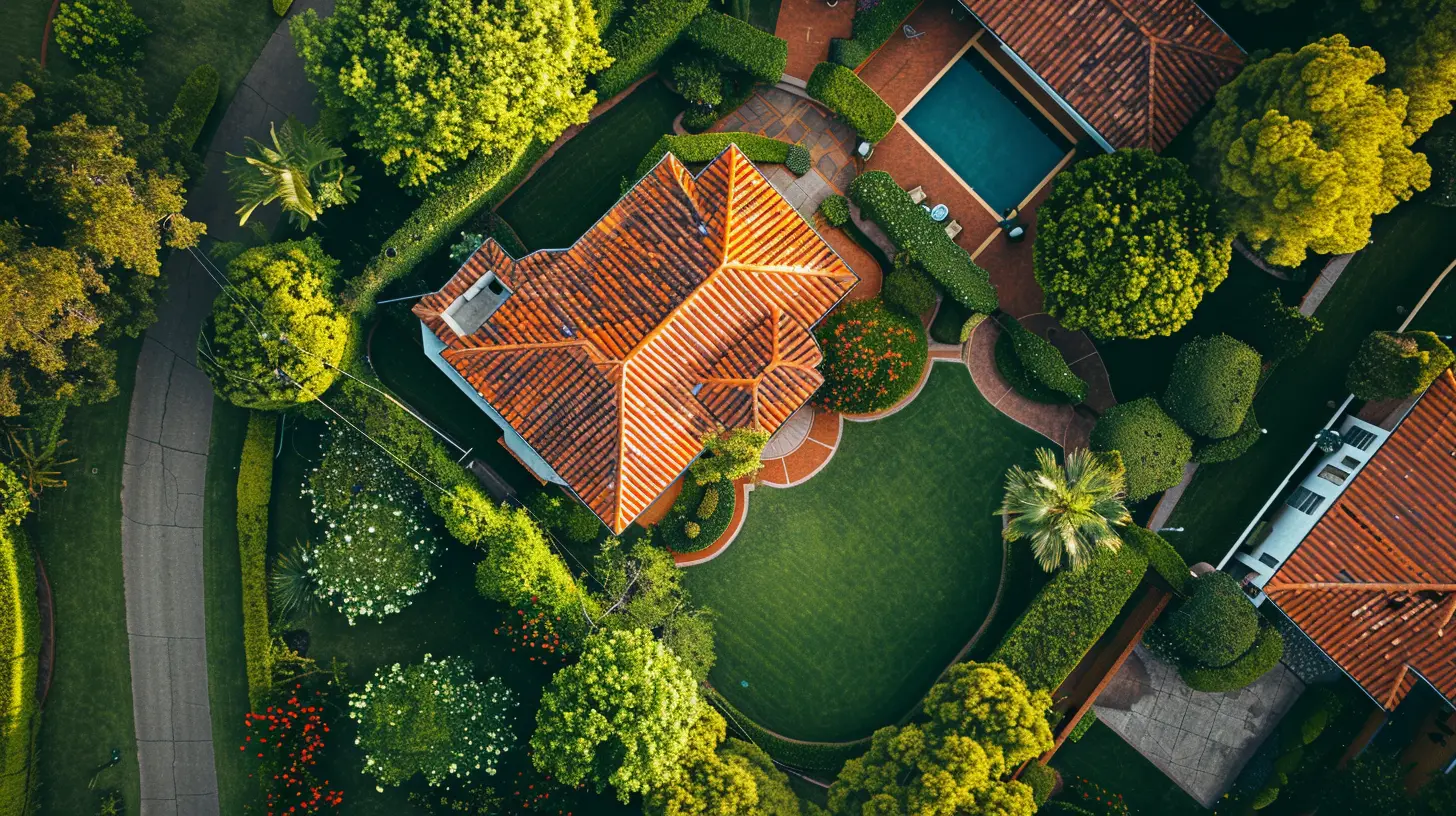
Why Landscape Maintenance Matters to HOAs
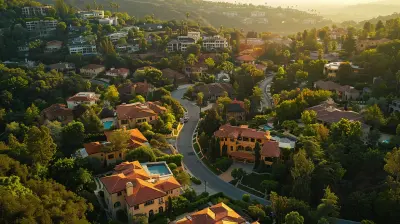
Imagine pulling up to a neighborhood where every yard looks like it belongs in a magazine. The lawns are lush and green, flower beds are blooming, and trees are neatly trimmed. Then, there’s that one neglected yard—overgrown grass, weeds taking over, broken sprinklers creating muddy patches. It sticks out like a sore thumb, right?That’s exactly what HOAs aim to prevent. Their job is to protect property values and provide a consistent, pleasant vibe in the community. When every yard looks cohesive, potential buyers are more likely to see the neighborhood as desirable. And let’s be real—no one wants to live next to the house that looks like it belongs on an episode of Hoarders.
Simply put, your HOA sees your yard as part of the bigger picture. The goal is to keep the neighborhood looking like the picturesque postcard it was meant to be. 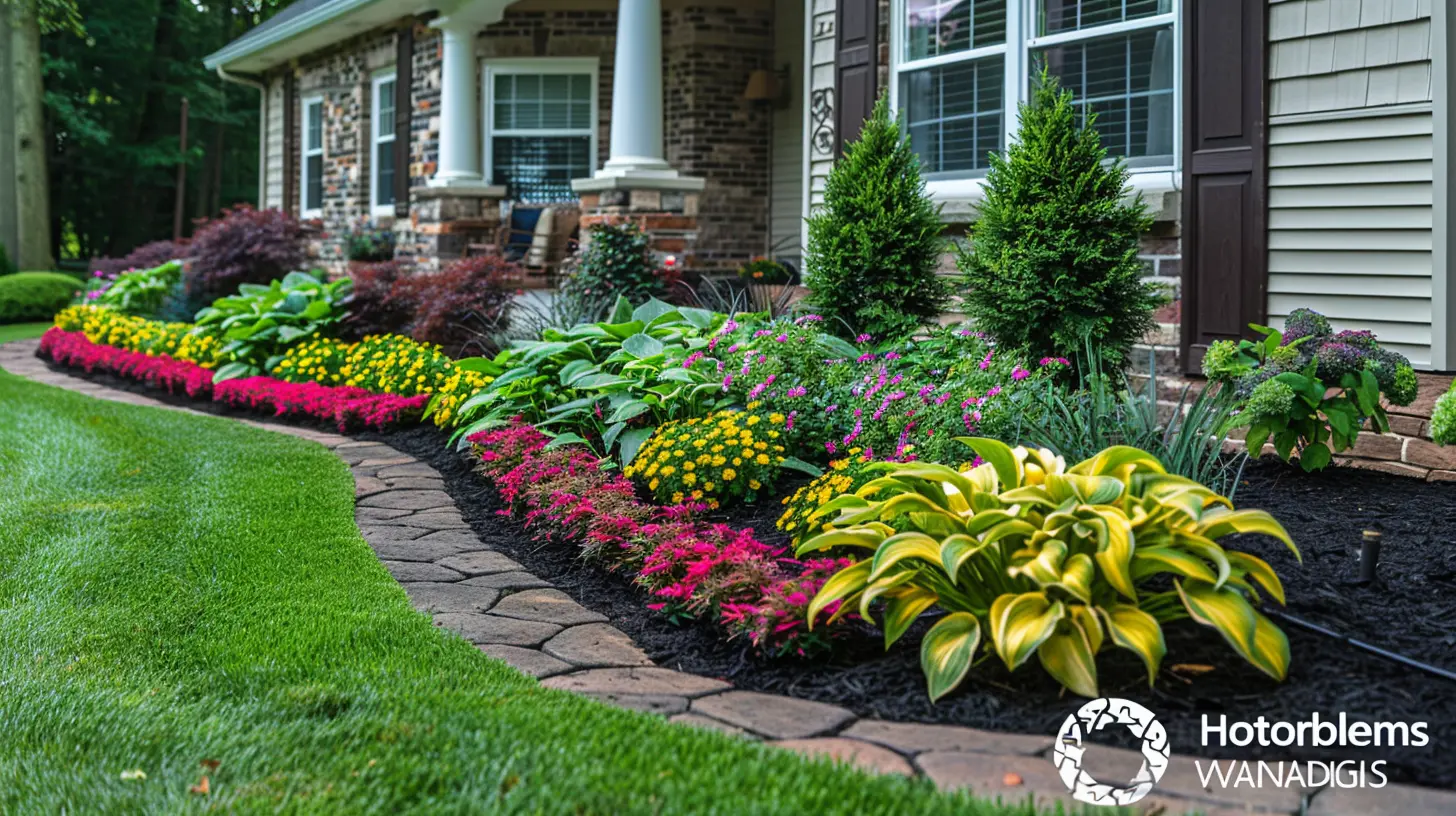
How Do HOAs Create Their Landscape Standards?
Step 1: Drafting the Rules
First things first, the HOA doesn’t just wake up one morning and decide they want you to mow your lawn twice a week. Landscape maintenance standards are typically outlined in the community’s Covenants, Conditions, and Restrictions (CC&Rs). This document is basically the HOA’s bible, covering everything from the height of your grass to which types of plants are allowed.These rules aren’t random; they’re carefully considered by the HOA board (often with input from a landscaping expert). They weigh things like local climate, common plant species in your area, and what will work best for long-term curb appeal.
Step 2: Setting the Standards
Some common landscape maintenance rules you’ll find in your HOA’s CC&Rs might include:- Lawn Care: Regular mowing, fertilizing, and watering. Nobody likes a brown, patchy yard.
- Weed Control: Keeping those pesky invaders out of flower beds and along sidewalks.
- Tree and Shrub Maintenance: Pruning overgrown trees or removing dead branches.
- Seasonal Requirements: Raking leaves in the fall or planting flowers in the spring.
- Prohibited Items: No dead plants, artificial turf (in some cases), or certain invasive species.
These standards aren’t meant to micromanage; they’re designed to keep the neighborhood looking like it’s straight out of a Hallmark movie.
Step 3: Communicating the Rules
Once these guidelines are set, it’s the HOA’s responsibility to make sure everyone knows the expectations. Most communities will send out newsletters, emails, or even post signs to remind you about maintenance standards. If you’re ever unsure, just ask. Trust me, it’s better to clarify than to assume.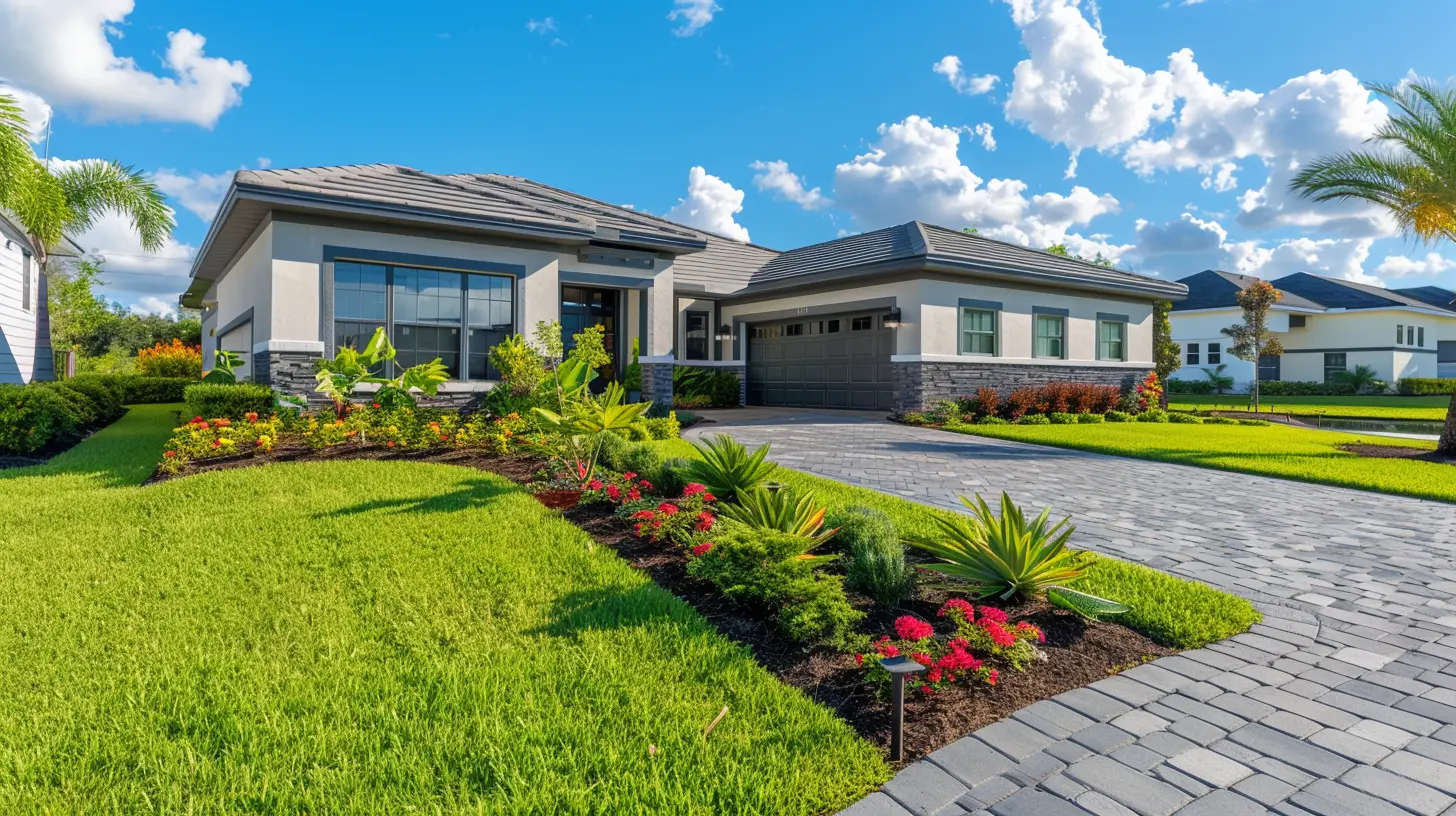
How Does Your HOA Enforce Landscape Maintenance Standards?
Alright, here’s where the rubber meets the road. Having rules is one thing, but enforcing them is a whole different ballgame. HOAs have several strategies to ensure everyone’s yard is up to par.1. Regular Inspections
Think of it as the neighborhood version of a pop quiz. Many HOAs schedule routine property inspections to ensure compliance with their landscape standards. An inspector (or sometimes a board member) will stroll through the neighborhood, noting any violations.This doesn’t mean they’re out to get you—it’s just part of their job. They’re looking for obvious issues like:
- Grass that’s too tall (we’re talking jungle status).
- Dead shrubs or trees that need replacing.
- Excessive weeds or unkempt flower beds.
- Noncompliance with HOA-approved designs (e.g., the wrong type of mulch).
It’s not about nitpicking every blade of grass; it’s about making sure the overall look meets the agreed-upon standards.
2. Sending Violation Notices
If your yard doesn’t pass the HOA’s inspection, you’ll likely receive a friendly (or not-so-friendly) violation notice. Think of it as a nudge to get things back on track. These notices typically outline:- The specific issue with your yard (e.g., “Your lawn exceeds the allowed height of 4 inches”).
- A deadline for fixing the issue.
- Potential consequences if the problem isn’t resolved.
Don’t ignore these notices. They’re not optional—they’re like traffic tickets for your yard. Address the issue quickly to avoid escalation.
3. Fines and Penalties
Still not complying? HOAs aren’t afraid to hit you where it hurts—your wallet. Fines are one of their most effective tools for enforcement. The amount varies depending on the violation, but trust me, it’s cheaper to mow your lawn than to pay a penalty.In extreme cases, repeated violations can lead to legal action or even liens on your property. Yikes, right? Best to nip issues in the bud (literally). 
Tips for Staying Compliant with HOA Landscape Standards
No one wants to be that homeowner—the one who’s always in trouble with the HOA. Here’s how you can stay ahead of the game:1. Read the CC&Rs
It might be boring, but it’s essential. Knowing the rules is half the battle. Don’t assume you know what’s acceptable—every HOA has its quirks.2. Communicate with the HOA
Have a question about the rules? Want to make a change to your landscape? Talk to your HOA board. They’re usually more accommodating than you’d think, as long as you’re proactive.3. Stay on Top of Maintenance
Mow your lawn, pull weeds, and keep plants healthy. A little effort goes a long way in staying compliant.4. Hire Professionals
If landscaping isn’t your thing, consider hiring a landscaping service. They’ll handle the dirty work, and you’ll have peace of mind knowing your yard meets HOA standards.5. Get Involved
Want to have a say in your HOA’s landscaping rules? Join the board or attend meetings. It’s a great way to understand the “why” behind the rules and maybe even suggest changes.Why It’s Worth Following the Rules
Sure, HOAs can seem annoying with their strict landscape rules, but think about the bigger picture. When everyone follows the standards, the neighborhood shines. That means higher property values, a stronger sense of community, and a place you’re proud to call home.Plus, wouldn’t you rather enjoy your weekend in a beautiful backyard than argue with your HOA over a fine? Life’s too short for ugly lawns and unnecessary battles.
Final Thoughts
Your HOA isn’t out to ruin your life or force you into planting rose bushes. Their job is to protect the community’s appeal and ensure everyone benefits from a well-maintained neighborhood. By understanding their role and following the rules, you can save yourself a ton of stress and maybe even make your neighbors jealous of your gorgeous yard.So, the next time you’re tempted to let your grass grow wild or skip weeding, remember: a little effort goes a long way. Not just for your home, but for the entire community.
all images in this post were generated using AI tools
Category:
Hoa GuidelinesAuthor:

Lydia Hodge
Discussion
rate this article
2 comments
Claire McKnight
When your HOA talks landscape standards, just remember: a weed is only a flower in disguise. Keep the lawns pretty, or risk a notice that's anything but rosy!
May 10, 2026 at 3:49 AM
Lydia Hodge
That's a clever way to put it! Keeping up with those standards can save us all from unwanted notices.
Nadia Jackson
This article effectively highlights the importance of landscape maintenance standards set by HOAs. Understanding these regulations not only helps homeowners maintain property values but also promotes community aesthetics. Clear guidelines foster cooperation among residents, ultimately enhancing the neighborhood's overall appeal and harmony.
May 6, 2026 at 3:37 AM
Lydia Hodge
Thank you for your insightful comment! I'm glad you found the article emphasizes the critical role of landscape maintenance standards in preserving property values and community appeal.